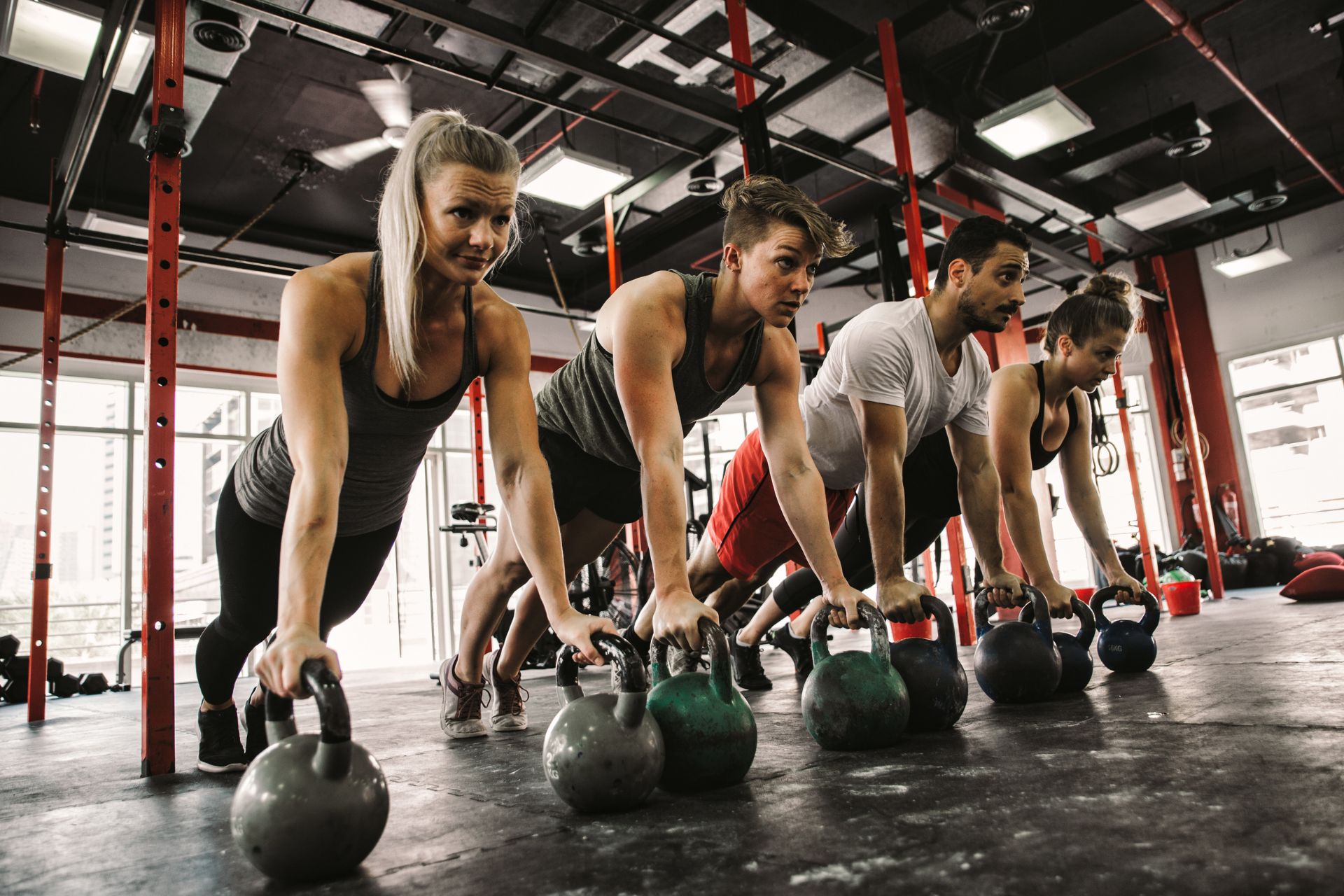
Neuromuscular Retraining Strategies for Post-Surgical Recovery

Neuromuscular Retraining Strategies for Post-Surgical Recovery

Neuromuscular retraining strategies for post-surgical recovery are essential for restoring strength and function after surgery. This webpage explores effective techniques that enhance motor control and promote healing during rehabilitation.

How can neuromuscular retraining improve proprioception in patients recovering from knee surgery?

Neuromuscular retraining is a crucial part of rehabilitation for patients recovering from knee surgery, as it significantly enhances proprioception, which refers to the body’s ability to sense its position and movement in space. This type of training involves exercises that focus on improving coordination, balance, muscle strength, and joint stability by engaging the nervous system alongside muscular control. During recovery from knee surgeries such as ligament repairs or meniscus procedures, patients often experience altered sensory feedback due to pain or swelling; therefore, neuromuscular retraining can help restore these disrupted pathways by incorporating specific drills like single-leg stands or agility tasks that challenge dynamic stability. By utilizing techniques such as plyometric exercises and functional movements tailored to mimic daily activities while gradually increasing difficulty levels over time—like using wobble boards or resistance bands—patients develop better awareness of their limb positions relative to their surroundings. Such targeted approaches not only improve kinesthetic awareness but also aid in re-establishing neural connections between muscles and joints through repetitive practice focused on controlled movements. As individuals engage in this comprehensive program post-surgery with supervision from physical therapists who monitor progress closely for safety and effectiveness, they are likely to regain confidence and reduce the risk of future injuries related to compromised proprioceptive abilities. Ultimately, enhancing proprioception through effective neuromuscular retraining equips patients with improved motor skills necessary for returning safely back into sports or normal day-to-day activities after surgery.

Sports physical therapy is essential for enhancing athletic performance and preventing injuries. By exploring specialized techniques and personalized rehabilitation programs, athletes can maximize their recovery and improve overall function. To learn more about the benefits of sports physical therapy, visit guidance based on early mobility best practices

What role does task-specific training play in enhancing muscle activation patterns post-ACL reconstruction?

Task-specific training plays a crucial role in enhancing muscle activation patterns after Anterior Cruciate Ligament (ACL) reconstruction by promoting neuromuscular re-education and improving functional movement. This type of training focuses on exercises that mimic the specific movements and activities individuals will perform in their daily lives or sports, thereby facilitating better coordination among muscles around the knee joint. By engaging in targeted strength training, proprioceptive exercises, and agility drills tailored to individual rehabilitation goals, patients can restore not only their muscle strength but also enhance motor control and balance post-surgery. The repetitive practice involved in task-specific training helps reinforce proper biomechanics while minimizing compensatory strategies that could lead to further injury or dysfunction. Additionally, as patients engage with dynamic stabilization techniques during these specialized workouts, they experience improved recruitment of important stabilizing muscles like the quadriceps and hamstrings along with greater awareness of joint positioning. Ultimately, this focused approach accelerates recovery times while reducing risks associated with reinjury by ensuring optimal loading conditions for healing tissues through progressive overload principles combined with meticulous attention to form throughout various activity contexts such as jumping or cutting movements found commonly in athletic endeavors.

In what ways do feedback mechanisms influence the efficacy of neuromuscular retraining after shoulder stabilization surgery?

Feedback mechanisms play a crucial role in enhancing the efficacy of neuromuscular retraining after shoulder stabilization surgery by providing essential information that helps guide rehabilitation. These mechanisms include sensory feedback, such as proprioceptive and kinesthetic awareness, which allow individuals to better understand their body movements and adjust them accordingly during therapy sessions. For instance, when patients receive immediate feedback on their shoulder positioning or muscle activation through visual aids or physical cues from therapists, they can make real-time adjustments that promote proper biomechanics and prevent compensatory patterns. Additionally, auditory feedback—such as verbal instructions or encouraging reminders about maintaining correct posture—can reinforce learning outcomes by motivating patients to adhere strictly to prescribed exercises like isometric holds and resistance training for rotator cuff muscles. Furthermore, the integration of advanced technologies like biofeedback devices allows for quantitative measurement of muscular activity during rehabilitation exercises; this data provides valuable insights into progress over time while helping clinicians tailor specific regimens based on individual recovery trajectories. Overall, these dynamic interactions between sensory input and motor output foster an environment where improved coordination and strength are achieved more effectively post-surgery due to enhanced neural pathways formed through consistent practice reinforced by timely feedback throughout the rehabilitative process.

How is dynamic stability addressed through neuromuscular strategies following hip arthroscopy procedures?

Dynamic stability following hip arthroscopy procedures is crucial for optimal recovery and involves various neuromuscular strategies that enhance balance, coordination, and functional movement. After surgery, patients often experience altered proprioception and muscle activation patterns in the hip region due to pain or reduced mobility; thus, rehabilitation programs focus on restoring strength and flexibility through targeted exercises. These therapeutic interventions typically include closed-chain activities that promote joint stabilization by engaging multiple muscle groups around the hip joint while minimizing strain on healing tissues. Additionally, neuromuscular training emphasizes the importance of core strengthening to support pelvic alignment during dynamic movements such as walking or climbing stairs. Incorporating agility drills can also improve reaction times and postural control which are essential for maintaining stability during daily tasks. The integration of visual feedback mechanisms may further assist individuals in recalibrating their body awareness as they relearn how to transfer weight effectively between limbs without compromising their range of motion or risking re-injury. Overall, a multidisciplinary approach involving physical therapists who specialize in sports medicine plays a vital role in enhancing dynamic stability through evidence-based protocols tailored specifically for each patient's needs after hip arthroscopy surgery.

Which specific motor control exercises are most effective for restoring functional movement in individuals after ankle ligament repair?

After ankle ligament repair, specific motor control exercises play a crucial role in restoring functional movement and promoting rehabilitation. These exercises typically include balance training activities such as single-leg stands, where individuals practice maintaining stability on one leg to enhance proprioception and neuromuscular coordination. Dynamic movements like heel raises and toe taps contribute to strengthening the calf muscles while improving range of motion in the ankle joint. Furthermore, performing controlled lateral movements or agility drills helps increase stability by engaging the surrounding musculature essential for preventing future injuries. Incorporating resistance bands during these exercises can further challenge strength development through various planes of motion, thereby enhancing overall functional mobility. Additionally, utilizing wobble boards or balance disks encourages core engagement alongside lower limb activation which is critical for achieving optimal gait patterns post-surgery. Stretching routines targeting both plantar flexors and dorsiflexors also complement muscle reeducation efforts by addressing flexibility deficits that may arise after immobilization periods following surgery. Finally, integrating sport-specific drills enables individuals to gradually adapt their restored function back into desired physical activities safely while reinforcing motor learning principles necessary for effective performance outcomes in everyday life scenarios.

Frequently Asked Questions

Effective neuromuscular retraining techniques for ACL reconstruction recovery include proprioceptive training, balance exercises, and specific strength-building protocols that focus on the quadriceps and hamstrings. Techniques such as perturbation training enhance joint stability by challenging the body’s ability to maintain equilibrium during dynamic movements. Additionally, utilizing functional movement patterns through closed-chain exercises can improve motor control and facilitate neurological adaptations in muscle activation. Incorporating agility drills with a focus on deceleration mechanics not only enhances coordination but also reduces the risk of re-injury. Furthermore, visual feedback systems may be employed to optimize gait retraining while encouraging proper biomechanics throughout rehabilitation phases. Overall, these targeted interventions contribute significantly to restoring normal knee function and promoting long-term athletic performance post-ACL surgery.

Proprioceptive training can be effectively integrated into post-operative rehabilitation plans for shoulder surgeries by incorporating targeted exercises that enhance neuromuscular control, joint stability, and kinesthetic awareness. Following surgical procedures such as rotator cuff repair or shoulder arthroscopy, practitioners may utilize balance boards, resistance bands, or dynamic stabilization activities to facilitate proprioception development. These interventions should focus on improving sensory feedback mechanisms and facilitating the body's ability to perceive limb position during functional movements. Gradual progression from static holds to more complex tasks—such as perturbations in various planes of motion—can optimize recovery while reducing the risk of re-injury. Additionally, integrating closed-chain exercises like wall push-ups can further promote muscular coordination and scapular rhythm essential for restoring full range of motion in patients’ shoulders. By systematically implementing these proprioceptive strategies throughout different phases of rehabilitation—from initial immobilization through active strengthening—clinicians ensure a comprehensive approach aimed at enhancing overall functional outcomes and return-to-sport readiness following surgery.

Electrical stimulation serves a critical role in enhancing neuromuscular recruitment following knee surgery by facilitating muscle activation, promoting motor unit engagement, and accelerating rehabilitation. This therapeutic modality not only aids in restoring strength to the quadriceps and hamstring muscles but also improves proprioception and neuromuscular control essential for gait mechanics. By applying electrical impulses through transcutaneous electrical nerve stimulation (TENS) or functional electrical stimulation (FES), patients experience increased blood flow, reduced atrophy of surrounding musculature, and enhanced synaptic plasticity within the central nervous system. Consequently, this intervention can lead to improved performance during physical therapy exercises such as leg extensions or squats while minimizing compensatory movement patterns that may hinder recovery. Ultimately, integrating electrical stimulation into post-operative rehabilitation protocols contributes significantly to optimizing functional outcomes and expediting return to activity levels after knee procedures like arthroscopy or ligament reconstruction.

Neuromuscular retraining following open versus arthroscopic surgical repairs of the rotator cuff necessitates distinct approaches due to variations in tissue integrity, pain management, and rehabilitation timelines. In cases of open repair, where greater soft tissue disruption occurs, emphasis is placed on gradual reactivation of scapulothoracic stabilization muscles and careful proprioceptive training to restore functional range of motion and neuromuscular coordination without compromising the surgical site. Conversely, after an arthroscopic procedure—typically associated with less invasive techniques—the protocol can incorporate earlier activation strategies for both shoulder internal and external rotators while focusing on dynamic stability exercises that enhance muscle synergies around the glenohumeral joint. Additionally, considerations such as post-operative swelling control through cryotherapy or electrical stimulation may influence timing in initiating specific neuromuscular tasks like resisted shoulder abduction or rhythmic stabilization drills. Overall, tailoring these rehabilitation protocols based on surgical technique allows for optimized recovery trajectories while minimizing risks associated with reinjury or adhesive capsulitis development during postoperative healing phases.

Metrics used to assess progress in neuromuscular function during post-surgical recovery protocols include a variety of quantitative and qualitative measures, such as muscle strength assessments through manual muscle testing or dynamometry, which evaluate the force output of specific muscles. Electromyography (EMG) can be employed to analyze electrical activity within skeletal muscles, providing insights into motor unit recruitment patterns and neuromuscular transmission efficiency. Functional movement assessments are also critical; standardized tests like the Timed Up and Go (TUG) or the Berg Balance Scale offer valuable data on mobility, balance, and coordination improvements over time. Additionally, range-of-motion measurements using goniometers help determine joint flexibility while patient-reported outcome measures (PROMs) capture subjective experiences regarding pain levels and functional limitations. Collectively, these metrics enable clinicians to monitor rehabilitation efficacy meticulously as patients transition from acute postoperative care towards enhanced muscular endurance and overall physical functionality.

Neuromuscular Retraining Strategies for Post-Surgical Recovery

Neuromuscular Retraining Strategies for Post-Surgical Recovery

Contact Us

Alpine Physical Therapy and Fitness

  • Address: 3130 Alpine Rd Suite 370, Portola Valley, CA 94028
  • Phone: (650) 242-0777
  • Email: alpineptfit@mail.com

© Copyright - All Rights Reserved